
Every October, homeowners start hearing the same advice: “Wait until spring for any roof work.” This blanket statement has become roofing’s gospel, repeated so often that many people with legitimate roof problems delay necessary repairs for months—sometimes making minor issues significantly worse. The reality is more nuanced. While winter does present challenges, many roofing projects remain perfectly viable after the leaves have fallen.
The “No Winter Roofing” Myth and Where It Comes From
The idea that all roofing work must stop after fall originated from real concerns about asphalt shingle installation in freezing temperatures. Older roofing materials and techniques did have significant cold-weather limitations. However, modern materials, proper installation methods, and experienced contractors have expanded what’s possible during colder months.
The myth persists because it contains a kernel of truth—some work does become more difficult or requires special precautions. But treating all roofing work as impossible after fall leads homeowners to live with active leaks, storm damage, and deteriorating conditions that worsen daily.
What Winter Weather Actually Does to Roofing Materials
Asphalt shingles contain adhesive strips that seal each shingle to the one below it. These strips activate through heat—either from the sun or warm ambient temperatures. In temperatures below 42°F, this sealing process slows down considerably. Below freezing, shingles also become more brittle and can crack if handled roughly.
However, this doesn’t mean roofing work becomes impossible. It means contractors must adjust their techniques. Adjusting air pressure in nailers, storing materials in heated areas before installation, having materials laying flat and choosing appropriate weather windows all allow successful installations throughout winter.
Viable Roofing Work During Late Fall and Winter
Emergency Repairs and Leak Fixes
Active leaks never improve on their own, regardless of season. Emergency repairs—like replacing damaged flashing, sealing around chimneys, or tarping damaged sections—are not only possible but necessary in winter. Water infiltration causes exponentially more damage than the inconvenience of cold-weather repairs.
Professional contractors can diagnose leak sources and implement effective roof replacement or repairs even in cold conditions. Getting you your new roof or temporary repairing or properly installing tarps protecting your home until comprehensive replacements are feasible to do.
Complete Roof Replacements in Moderate Conditions
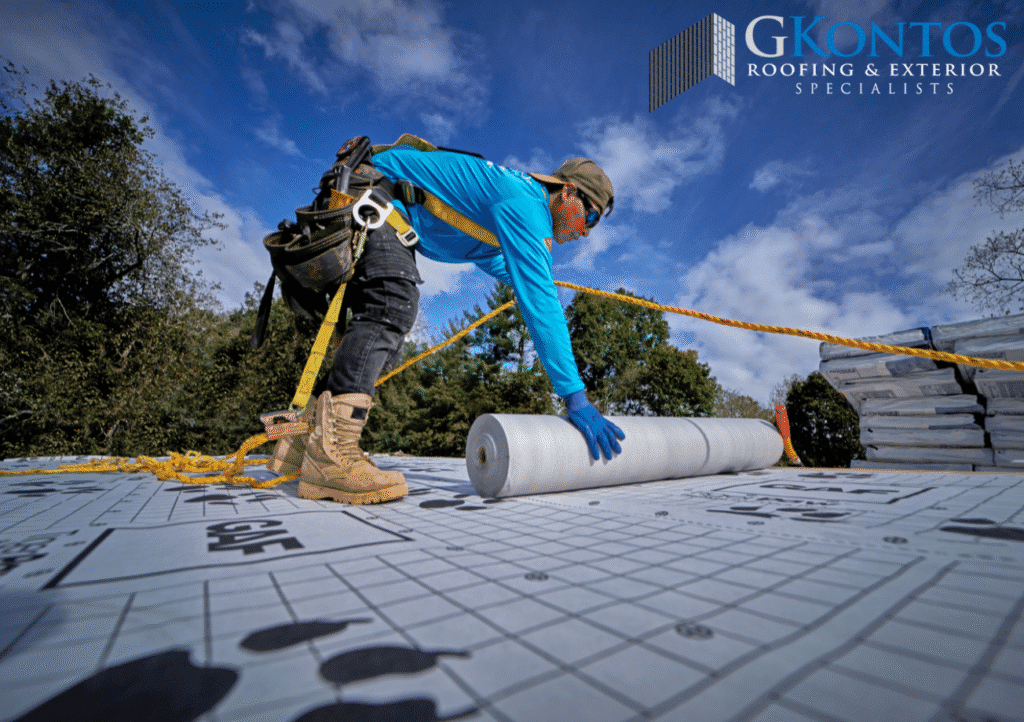
Full roof replacements remain viable through late fall and even into winter when conditions align. Experienced northern contractors routinely install roofs in temperatures down to the upper-20s using proper cold-weather techniques if the day allows it. A sunny day can make a huge difference on your roof.
The key factors aren’t just temperature—they include:
- High enough temperatures without dramatic swings
- Dry and non windy conditions (not to be raining or snowing at that time)
- Adequate daylight hours for proper installation
- Experienced crews trained in cold-weather methods
Metal Roofing Installation
Metal roofing actually performs better in cold weather than asphalt shingles. Metal doesn’t rely on heat-activated adhesives and doesn’t become brittle in freezing temperatures. If you’re considering metal roofing, winter installation is often ideal—contractors may have better availability, and the material handles cold conditions excellently.
Structural Repairs and Deck Replacement
If storm damage has compromised your roof deck or structure, waiting until spring isn’t an option. Exposed or damaged decking allows water, snow, and ice into your attic and home. Structural repairs can proceed in cold weather, though they require proper tarping and weatherproofing during the work.
What Actually Should Wait for Spring
Non-Urgent Aesthetic Upgrades
If your current roof is sound but you want to upgrade for cosmetic reasons or improved energy efficiency, spring offers good conditions as well but you would want to book now. You’ll likely get more competitive pricing, faster installation, and optimal conditions for shingle adhesion. So if you are looking to book for the spring, call now to get the process started.
Complex Architectural Projects
Elaborate roofing projects involving significant structural changes, multiple roof planes, or intricate details benefit from warmer weather. The extended daylight and stable temperatures of spring and summer allow for more precise work without weather-related interruptions.
Routine Maintenance That Can Wait
Annual inspections, non-urgent gutter repairs, and preventive maintenance that doesn’t address active problems can reasonably wait for milder weather. However, if inspection reveals damage, don’t postpone necessary repairs just because of the season.
Red Flags That Can’t Wait Regardless of Season
Contact a roofing contractor immediately, even in winter, if you notice:
- Active leaks or water stains spreading on ceilings
- Missing or severely damaged shingles exposing underlayment
- Shingle laying in your yard
- Sagging sections of roof indicating structural problems
- Storm damage from fallen trees or heavy snow loads
- Ice dams causing water to back up under shingles
- Flashing that’s pulled away from chimneys or walls
- Visible holes or gaps in your roof deck
Delaying repairs for these issues will cost you far more in interior damage than emergency winter roofing work costs. Water damage spreads quickly, ruins insulation, promotes mold growth, and can compromise structural integrity.
How to Evaluate Your Specific Situation
Consider urgency first, not season. If you have active damage or leaks, the season becomes irrelevant—the work needs to happen. If you’re planning an elective replacement of a sound roof, you have the luxury of timing.
Get a professional assessment. A reputable contractor will honestly tell you whether your project can wait or requires immediate attention. They’ll also explain what techniques they’ll use for cold-weather installation if work proceeds now.
Understand the tradeoffs. Your winter roofing project may actually cost you LESS during the winter months rather than the spring due to constant material price increases we experience several times throughout the year, starting in the spring. It can also cost slightly more depending on the urgency due to additional labor and specialized techniques depending on the situation. However, preventing ongoing water damage and interior repairs typically costs far less than delaying necessary work.
Know your contractor’s experience. Not all roofing companies have equal cold-weather expertise. Ask specifically about their winter installation experience, techniques, and warranties for cold-weather work.
Your Bottom Line Decision Framework
Proceed with winter roofing if:
- You have active leaks or visible damage
- Storm damage has compromised your roof’s integrity
- Your contractor has cold-weather installation experience
- Weather forecasts show appropriate temperature windows
Never delay if:
- Water is actively entering your home
- Structural damage is visible or suspected
- Your contractor confirms that waiting will worsen the problem
Take These Next Steps Now
Stop accepting “wait until spring” as universal advice. If you suspect roof problems, schedule an inspection now. A professional evaluation will tell you definitively whether your situation requires immediate action or can safely wait.
Don’t let seasonal myths leave you living under a compromised roof all winter. Modern roofing techniques and experienced contractors have made many winter projects not just possible, but routine. The question isn’t whether the calendar says winter—it’s whether your roof needs attention now.