
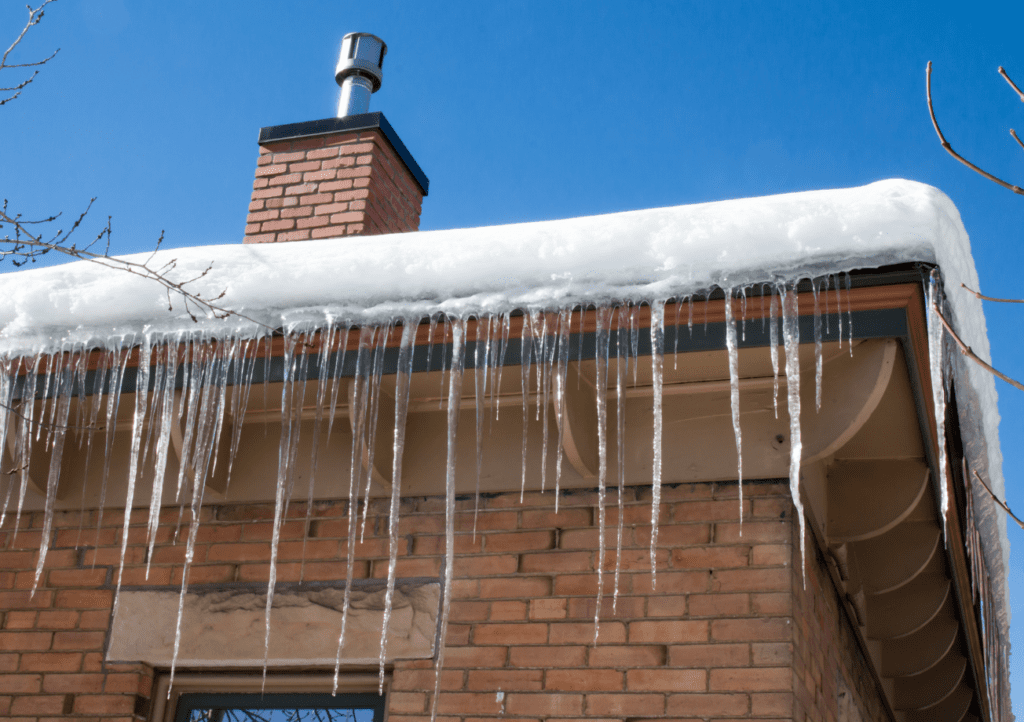
Most homeowners assume turning off heat and leaving their second home empty for winter reduces wear and tear. The logic seems sound—no one using the space means less stress on systems. But when it comes to your roof, the opposite is true. Empty homes with minimal or no heat experience more severe ice and snow damage than occupied ones. Understanding why this happens and how to prepare can save you from discovering catastrophic damage when you return.
The Counterintuitive Physics of Empty Homes in Winter
An occupied home generates heat that rises into the attic. This seems problematic—and it can create ice dams if ventilation is inadequate. However, that same heat also prevents certain types of damage that plague completely cold homes.
When your home sits empty with heat turned off or set to minimal levels, your roof system behaves entirely differently than designed. Materials contract more severely in extreme cold. Drainage systems freeze solid for months. Snow and ice accumulate without the subtle melting that occupied homes experience. The result is a roof system operating under stress conditions it wasn’t engineered to handle long-term.
How Lack of Heat and Airflow Affects Roof Performance
The Role of Interior Heat in Roof Systems
Modern roof systems assume some level of interior heating. This warmth creates gentle air circulation in attics that helps manage moisture, prevents extreme temperature differentials that cause material stress, and keeps drainage pathways functional during mild periods between storms.
When you turn heat off completely or set thermostats to 45°F, you eliminate these protective effects. Your attic temperature now matches outdoor temperature exactly. During prolonged cold snaps, everything freezes solid and stays frozen for weeks—roof deck, any trapped moisture, and the entire drainage system.
Materials expand and contract with temperature changes. When your occupied home cycles between 60°F and 20°F daily, materials experience moderate expansion and contraction. When your empty home cycles between 5°F and 25°F, materials contract to their extreme limits and stay there, creating brittleness and stress that wouldn’t occur in warmer conditions.
Airflow Dynamics in Heated vs. Unheated Spaces
Occupied homes create natural convection currents. Warm air rises, cold air sinks, and this movement carries moisture out through ventilation systems before it can accumulate and cause problems.
Empty, unheated homes lack this convection. Air becomes stagnant. Any moisture that enters—from minor leaks, condensation, or building materials releasing trapped humidity—has nowhere to go. It settles on the coldest surfaces, which in winter means your roof deck and attic framing. Over weeks and months, this creates conditions for rot and mold that heated homes avoid.
The Ice Dam Equation Changes in Unoccupied Homes
Traditional Ice Dam Formation
Ice dams typically form when heat escaping from living spaces warms the roof deck, melting snow from below. That meltwater runs down to cold eaves where it refreezes, creating the dam. This results from too much heat loss into attics.
Ice Dam Formation in Cold Homes
Empty homes experience a different ice dam mechanism. Without interior heat, your entire roof stays uniformly cold. Snow doesn’t melt from below. Instead, it melts from solar radiation and outdoor temperature fluctuations during sunny winter days.
This meltwater runs down your cold roof and hits your even colder gutters, which have been frozen solid for weeks. The water has nowhere to drain, so it backs up immediately. Because your entire roof system is so cold, this water refreezes rapidly across large sections, creating ice dams that are actually more severe and extensive than those in poorly insulated heated homes.
Without any interior heat moderating temperature swings, your roof experiences more dramatic freeze-thaw cycles. A 40°F sunny afternoon followed by a 10°F night creates massive ice formation that wouldn’t occur if even minimal interior heat moderated the temperature differential.
Drainage System Vulnerability and Prevention
Gutters and Downspouts Frozen Solid
In occupied homes, heat escaping through walls and eaves keeps gutters slightly warmer than ambient temperature. During mild periods, this warmth allows drainage to function intermittently throughout winter.
Empty home gutters freeze solid in November and stay frozen until March. They become decorative elements rather than functional drainage components. Every snow melt has nowhere to go except backing up under shingles or overflowing.
The Weight Problem
Gutters filled with ice weigh 5-10 times more than empty gutters. This sustained weight for three to four months stresses hangers, seams, and fascia boards beyond design specifications. In occupied homes, periodic melting reduces this constant stress. In empty homes, the full weight persists all winter, leading to detached gutters, damaged fascia, and structural stress.
Critical Drainage Preparation Steps
Clean gutters completely before departure—not just thoroughly, but completely. Even small debris piles create ice dam starting points.
Install gutter guards if your property has significant tree coverage. While not perfect, they reduce debris accumulation during your absence.
Ensure downspout extensions direct water at least 6 feet from your foundation and are securely attached. During freeze-thaw cycles, these extensions need to function during the brief periods when drainage is possible.
Some homeowners in extreme climates remove gutters entirely for winter. This controversial approach prevents gutter-related ice dam problems but requires professional assessment of whether your roof design can handle it.
Scheduling Maintenance Before Travel
Pre-Departure Roof Inspection Timeline
Schedule a professional roof inspection 2-3 weeks before leaving for the season. Inspectors should specifically check:
- All flashing integrity, especially around chimneys and valleys
- Shingle condition focusing on any lifting, curling, or damage
- Gutter and downspout security and function
- Vent covers and screening integrity
- Any areas where previous minor issues existed
Address every identified problem before departure. In occupied homes, minor issues can wait for convenient repair timing. In empty homes, every minor issue becomes a major problem during your absence.
Attic Ventilation Verification
Proper attic ventilation matters even more in empty homes. Verify all vents are clear, unobstructed, and properly screened. Check that soffit vents aren’t blocked by insulation from inside the attic.
In empty homes, ventilation is your only moisture management tool. You won’t have heat-driven convection helping move moisture out. Your ventilation system must work perfectly to prevent moisture accumulation during your absence.
Strategic Heating Settings for Roof Protection
The Minimum Heat Approach
Conventional wisdom suggests keeping empty homes at 50-55°F to prevent pipe freezing. For roof health, this temperature also provides subtle but important benefits. It keeps materials from reaching their extreme cold contraction limits, allows minimal air circulation, and prevents gutters from freezing quite as solid.
Calculate whether maintaining 50°F for four months costs more or less than potential repair bills from winter damage. For most second homes with quality roof systems, maintaining minimal heat proves cost-effective when you factor in avoided damage.
Programmable Temperature Cycling
Some property managers recommend programmed temperature cycling rather than constant heat. Running heat to 60°F for three hours daily, then allowing drift to 45°F, creates beneficial airflow and prevents extreme material stress while using less energy than constant heating.
This strategy also helps identify heating system failures quickly through monitoring technology. If your programmed heat cycle doesn’t occur, you receive alerts allowing repair before pipes freeze or other damage occurs.
Post-Return Inspection Priorities
Immediate Assessment Upon Return
Upon returning in spring, inspect your roof system before unpacking. Look for ceiling stains or discoloration indicating leaks, musty odors suggesting mold growth, and exterior evidence including missing shingles or damaged gutters.
Attic Assessment
Enter your attic and look for compressed or discolored insulation, staining on roof decking or rafters, and any signs of animal intrusion. Feel roof sheathing in multiple locations—soft spots indicate moisture damage occurred during winter.
Documentation for Insurance
Photograph any damage discovered immediately upon return. Insurance companies distinguish between damage discovered promptly versus damage left unaddressed for weeks. Document the timing of your discovery carefully.
Your Preparation Action Plan
Schedule your pre-departure roof inspection at least three weeks before leaving. This provides time for identified repairs without rushing.
Install monitoring technology including temperature sensors in your attic and main living areas. These alert you to heating failures or unusual conditions requiring attention.
Arrange for at least one mid-winter property check by a local contractor or property manager. Post-storm inspections catch damage while repair is still possible.
Consider your heating strategy carefully. The energy cost of maintaining 50-55°F often proves cheaper than repairing damage caused by completely unheated conditions.
Your empty second home faces winter challenges your primary residence doesn’t experience. The absence of regular heat and monitoring creates vulnerability that careful preparation can significantly reduce. Invest the time and money to prepare properly, and you’ll likely return to find your home exactly as you left it.