
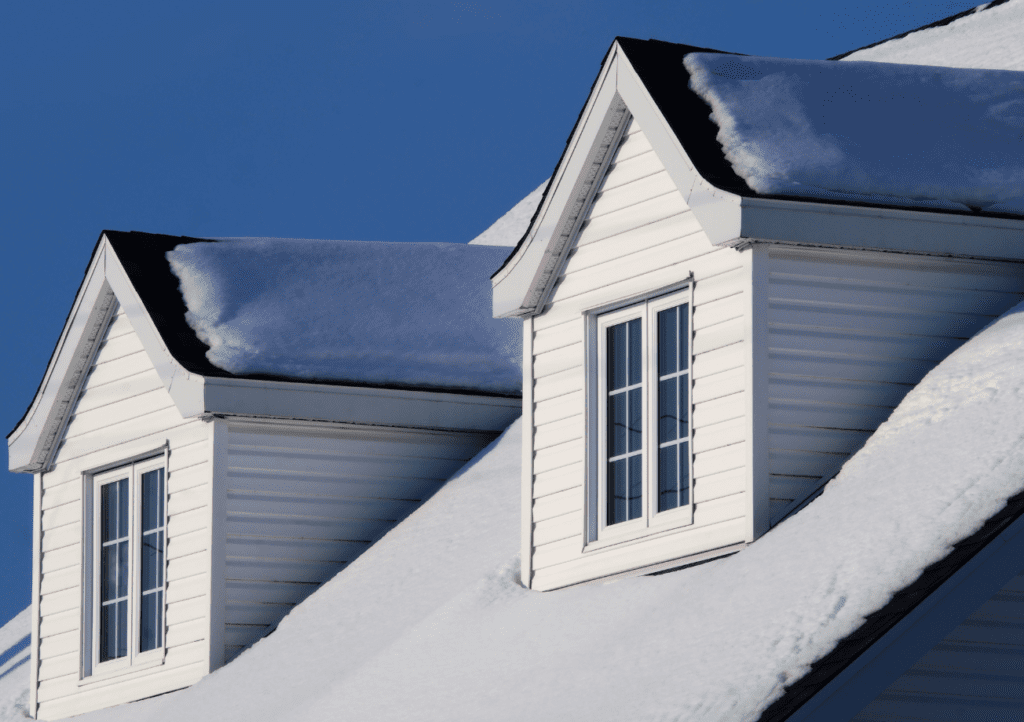
Right now, while you’re reading this from your primary residence, your lake house roof might be failing. A shingle lifted during last week’s storm. Meltwater is trickling behind flashing during today’s thaw, then freezing tonight into expanding ice. A small leak is saturating insulation—not enough to drip visibly, just enough to destroy materials slowly over months. You won’t know until April when you discover stained ceilings, buckled floors, and repair bills exceeding $30,000.
The Fundamental Problem: Distance Eliminates Early Detection
In your primary home, you notice problems within hours or days. A drip appears on the ceiling. You hear wind lifting a shingle. You see icicles forming where they shouldn’t. Each signal triggers investigation before minor issues become disasters.
Your second home lacks this immediate feedback loop. Problems caught and corrected within a week in an occupied home compound for four months in an empty one. This extended timeline transforms every minor roof vulnerability into a serious structural threat.
Insurance data shows seasonal homes experience catastrophic winter damage at rates three to five times higher than year-round residences—not because the roofs are worse, but because nobody’s watching when problems develop.
How Small Roof Problems Escalate Without Intervention
Week One: The Initial Failure
A November windstorm lifts a single shingle along your roof ridge. In your primary home, you’d notice within days and have it repaired within a week. In your empty second home, that lifted shingle goes unnoticed. Wind catches the exposed edge during the next storm, tearing it partially free. Now water can penetrate directly to the underlayment.
Week Four: Water Intrusion Begins
December brings mixed precipitation. Rain seeps under the damaged shingle. The underlayment—designed as a backup barrier, not a permanent water shield—begins absorbing moisture. In subfreezing temperatures, this moisture freezes. Water expands when it freezes, creating tiny separations in materials. During the next thaw, more water penetrates deeper.
Week Eight: Structural Penetration
By mid-January, water has worked through the underlayment and contacted the roof deck. The plywood sheathing absorbs moisture during thaws. Freeze-thaw cycles cause the wood to swell and contract. Moisture penetrates the deck and drips onto attic insulation. Wet insulation loses effectiveness and becomes heavy. The moisture contacts wood framing members, beginning the rot process.
Week Sixteen: Spring Discovery
You arrive in April to find a brown stain spreading across your bedroom ceiling. Attic insulation is compressed and water-damaged across a 10-foot radius. Roof sheathing is soft and dark. Rafters show early rot. What started as one lifted shingle has caused $8,000-$15,000 in damage—all happening silently while you were hundreds of miles away.
Ice Buildup and Snow Load Risks Without Management
The Uncontrolled Ice Dam Cycle
Ice dams form when heat escaping from attics melts snow, which refreezes at cold eaves. In occupied homes, residents notice ice dams early and take action—adding heat cables, improving ventilation, or removing snow.
Your empty home’s ice dams grow unchecked all winter. A small dam in December becomes a massive ice barrier by February, weighing hundreds of pounds per linear foot and stressing gutters beyond their design capacity.
As the dam grows, water backs up further under shingles. What might infiltrate six inches in an occupied home extends three feet or more in an unmonitored one. Water penetrates seams that should never see moisture, saturating underlayment and deck across large roof sections.
When spring arrives and the ice melts, you discover water stains extending across entire rooms, destroyed insulation, and rotted roof structure along the entire eave line.
Unmanaged Snow Accumulation
Northeast nor’easters can deposit two to three feet of heavy, wet snow—adding 40-60 pounds per square foot to your roof. In your primary residence, you’d shovel or hire removal after major storms.
Your second home carries full snow loads all winter. Multiple storms create layered accumulation. Older snow compresses into dense ice while new snow adds weight on top. Roofs designed for typical loads start experiencing stress they weren’t engineered to handle.
Warning signs develop—rafters sag slightly, connections between roof and walls experience stress, and valleys accumulate extreme loads. In occupied homes, these signs might be noticed. In empty homes, they progress until something fails, often catastrophically during the heaviest storm of the season.
The Slow Leak That Destroys From Within
Why Small Leaks Are More Dangerous Than Obvious Ones
A major leak that drips visibly gets discovered and repaired quickly. A slow leak that only moistens materials causes far more total damage because it goes undetected for months. Your second home faces this worst-case scenario.
A minor flashing separation allows moisture intrusion during rain and snowmelt. The water doesn’t drip dramatically—it just keeps materials perpetually damp.
The Chain Reaction of Hidden Moisture
Week by week, the damage spreads. Wet insulation loses effectiveness and becomes a moisture reservoir keeping surrounding materials damp. Wood in contact with wet insulation begins rotting—first the roof deck, then rafters, then wall framing if the leak is near the roof edge.
Mold and mildew colonize damp materials. These organisms need only sustained moisture, not standing water. They spread through insulation, across wood surfaces, and onto drywall. By spring, you face not just structural repairs but potentially serious mold remediation.
Drywall on ceilings absorbs moisture from above. Unlike wood that shows rot, drywall simply weakens until it fails. You might return to find entire ceiling sections sagged or collapsed from months of moisture weakening the material.
Interior Destruction Beyond the Leak Point
Water doesn’t stay where it enters. It follows paths of least resistance—along rafters, down wall cavities, through insulation. A leak entering near your chimney might cause visible damage in a bedroom 15 feet away.
In occupied homes, you’d notice the first signs and trace back to the source. In empty homes, water travels until it finds somewhere to pool or evaporate, causing damage along its entire path. By discovery, you’re facing multi-room repairs from a single roof penetration point.
Wildlife Damage That Compounds Throughout Winter
A damaged vent or lifted shingle creates a small opening. Squirrels, raccoons, or birds discover it during fall and move in, finding perfect winter shelter in your empty attic.
These animals don’t just occupy space—they actively damage it. Squirrels chew wiring, creating fire hazards. Raccoons tear insulation apart to create nests. All leave waste that contaminates insulation and creates health hazards.
The original small roof opening becomes a large hole as animals improve their entrance. What might have been a simple shingle repair in November becomes a major reconstruction project by spring—along with attic cleanup and remediation costs.
Warning Signs You’ll See When You Return
Opening your second home after winter, watch for these damage indicators:
Interior Warning Signs:
- Brown or yellow ceiling stains, especially near walls or chimneys
- Musty odors indicating hidden mold growth
- Sagging ceiling sections or visible water damage
- Peeling paint on walls near the roofline
- Buckled flooring near exterior walls
Attic Indicators:
- Compressed, discolored, or wet insulation
- Dark staining on roof sheathing or rafters
- Visible mold or mildew growth
- Animal nests or droppings
- Soft or spongy roof decking
Exterior Red Flags:
- Missing, damaged, or curled shingles
- Sagging roofline or gutter sections
- Ice dam damage to gutters or fascia
- Damaged or separated flashing
Prevention Through Monitoring and Preparation
Technology-Based Early Warning
Smart home sensors provide early detection even when you’re away. Temperature sensors alert you to heating failures or unusual attic temperatures. Moisture sensors detect water intrusion before it causes extensive damage. Modern systems send smartphone alerts the moment conditions change.
These sensors cost $100-300 total but can prevent tens of thousands in damage through early detection.
Regular Property Checks
Hire a local property manager or reliable contractor to check your home after major storms. They should inspect for visible roof damage, ice dam formation, and interior leak signs. Monthly winter checks cost $75-150 per visit but catch problems while they’re still manageable.
Pre-Winter Professional Inspection
Before leaving for the season, invest in a professional roof inspection ($200-500). Inspectors identify vulnerabilities you’d miss and document your roof’s condition. Addressing identified issues before winter prevents the escalation scenarios described above.
Your Action Plan
If you own a seasonal home in the Northeast, treat winter absence as a serious roof risk requiring specific preparation. Schedule pre-winter inspections, install monitoring technology, and arrange regular property checks.
If you return to find damage, document everything with photographs before beginning cleanup. Contact your insurance company immediately—winter damage to vacant homes involves specific policy considerations.
Most importantly, understand that the roof protecting your primary residence handles winter with your daily oversight. Your second home’s roof faces the same weather without that protection. Invest in the monitoring and preparation that replaces your absent eyes.