
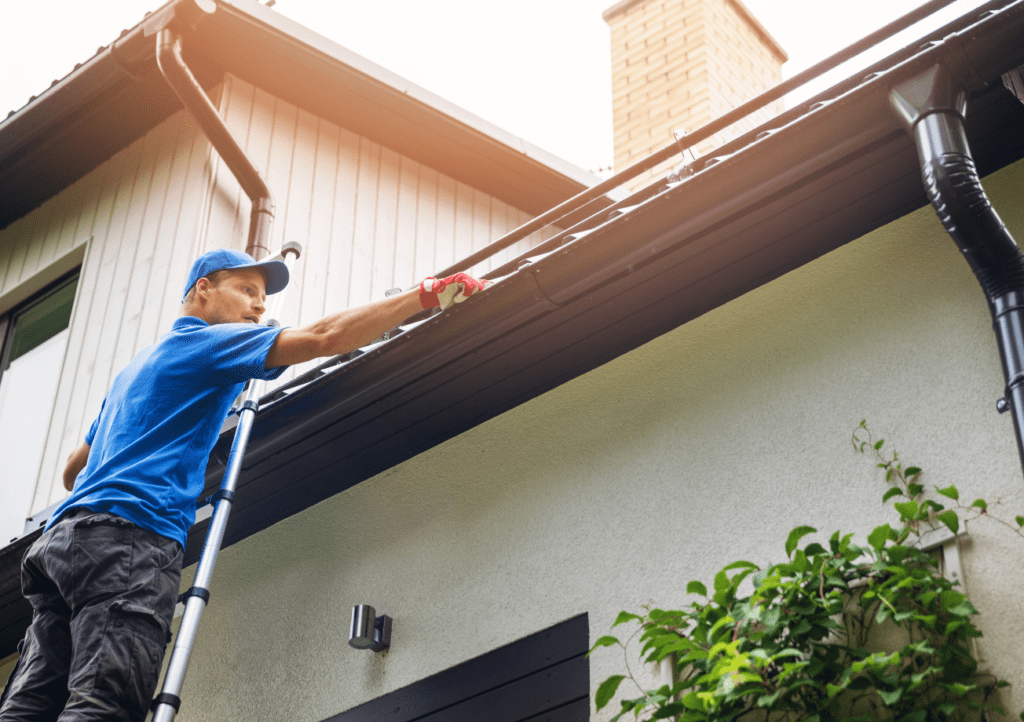
Your roof warranty is one of the most valuable protections for your home investment. What many homeowners don’t realize is that faulty or missing gutters can void that warranty entirely. Understanding the connection between proper drainage and warranty compliance helps you avoid costly surprises when you need coverage most.
The Hidden Link Between Gutters and Roof Warranties
Most roofing manufacturers include specific drainage requirements in their warranty terms. When gutters fail to channel water away from your roof properly, the resulting damage falls outside warranty coverage. This means repairs that should cost nothing could leave you paying thousands out of pocket.
The logic is straightforward: roofing materials are engineered to shed water, not to sit in it. When drainage systems fail, materials face conditions they weren’t designed to handle.
How Standing Water and Overflow Damage Roof Edges
When gutters become clogged, undersized, or improperly pitched, water backs up against your roof edges. This standing water creates several problems that manufacturers specifically exclude from warranty protection.
Water pooling along the drip edge saturates the starter shingles and underlayment. During freeze-thaw cycles common in the Hudson Valley, this trapped water expands and contracts, forcing shingles apart and creating entry points for moisture. Many manufacturer warranties explicitly state that water pooling for more than 48 hours after rainfall voids coverage.
Overflowing gutters also direct water behind the fascia boards, where it contacts the roof deck from below. This type of damage develops invisibly until significant rot has already occurred.
Why Moisture Buildup Leads to Rot and Deck Damage
Persistent moisture does more than cosmetic harm. When water repeatedly contacts your roof deck and supporting structures, decay begins within months. Plywood and OSB roof decking are particularly vulnerable to moisture damage.
The damage progression typically follows this pattern: trapped moisture promotes fungal growth, which breaks down wood fibers, weakening structural integrity, and eventually requiring full deck replacement along with new roofing. Manufacturers consider this preventable maintenance failure, not a material defect.
Moisture problems also create ideal conditions for ice dam formation. When attic moisture combines with inadequate drainage, ice dams form at roof edges, forcing water under shingles. Insurance and warranty claims for ice dam damage are frequently denied when inspections reveal gutter maintenance issues.
What Warranty Terms Actually Require
Review your roofing warranty carefully for drainage-related language. Most manufacturer warranties include provisions requiring homeowners to maintain proper water management systems, keep gutters clean and functional, address ponding water within specified timeframes, and ensure downspouts direct water away from the foundation.
Failing to meet these maintenance requirements constitutes homeowner negligence in the eyes of warranty administrators. When you file a claim, inspectors look for contributing factors. Clogged gutters and poor drainage are among the first things they check.
Red Flags Your Gutters Are Threatening Your Warranty
Watch for these warning signs that indicate your drainage system may be compromising your roof protection:
Water stains on fascia boards suggest overflow is occurring regularly, even if you haven’t witnessed it directly. Peeling paint near rooflines indicates repeated moisture exposure. Granules accumulating in gutters beyond normal amounts may signal shingle deterioration from backed-up water. Sagging gutter sections create low points where water pools rather than flowing to downspouts. Ice forming at roof edges during winter points to drainage issues that warrant immediate attention. Mold or mildew on exterior walls below the roofline reveals chronic overflow problems.
If you notice any of these conditions, address them before filing any warranty claims.
How Professional Gutter Installation Protects Your Investment
Proper gutter installation involves more than hanging troughs along your roofline. Professional installation accounts for roof pitch and water volume, correct gutter sizing for your roof square footage, appropriate downspout placement and capacity, proper attachment methods that don’t damage roofing materials, and integration with existing drip edge and flashing.
When gutters are installed correctly alongside roofing work, manufacturers have fewer grounds to deny warranty claims. Some enhanced warranties even require that certified contractors perform all related exterior work to maintain coverage.
Gutter guards add another layer of protection by reducing debris accumulation. However, improper gutter guard installation can actually void your warranty if it interferes with roof ventilation or requires screws through your shingles. Always use a qualified contractor familiar with warranty requirements.
The Bottom Line: Your Decision Framework
Protecting your roof warranty through proper gutter installation comes down to three priorities. First, ensure gutters are correctly sized and pitched to handle your roof’s water volume without backing up. Second, maintain gutters regularly, including seasonal cleaning and prompt repair of any sagging or damage. Third, document your maintenance efforts in case you ever need to demonstrate compliance with warranty terms.
The investment in quality gutter installation typically costs far less than a single denied warranty claim. More importantly, it prevents the underlying damage that leads to claims in the first place.
Your Next Steps
Start by reviewing your current roof warranty documents for specific drainage requirements. Inspect your existing gutters for signs of overflow, improper pitch, or damage. If you’re planning a roof replacement, discuss gutter installation as part of the complete project to ensure everything works together and maintains your warranty protection.
A professional evaluation can identify whether your current drainage system meets manufacturer requirements or if upgrades are needed to protect your coverage.