
Discovering hidden roof leaks before they cause damage is crucial for any property owner. At GKontos Roofing & Exterior Specialists, advanced thermal imaging technology transforms standard inspections into powerful diagnostic tools, pinpointing moisture intrusion with precision and efficiency. This non-invasive method ensures roofs remain protected without unnecessary disruption.
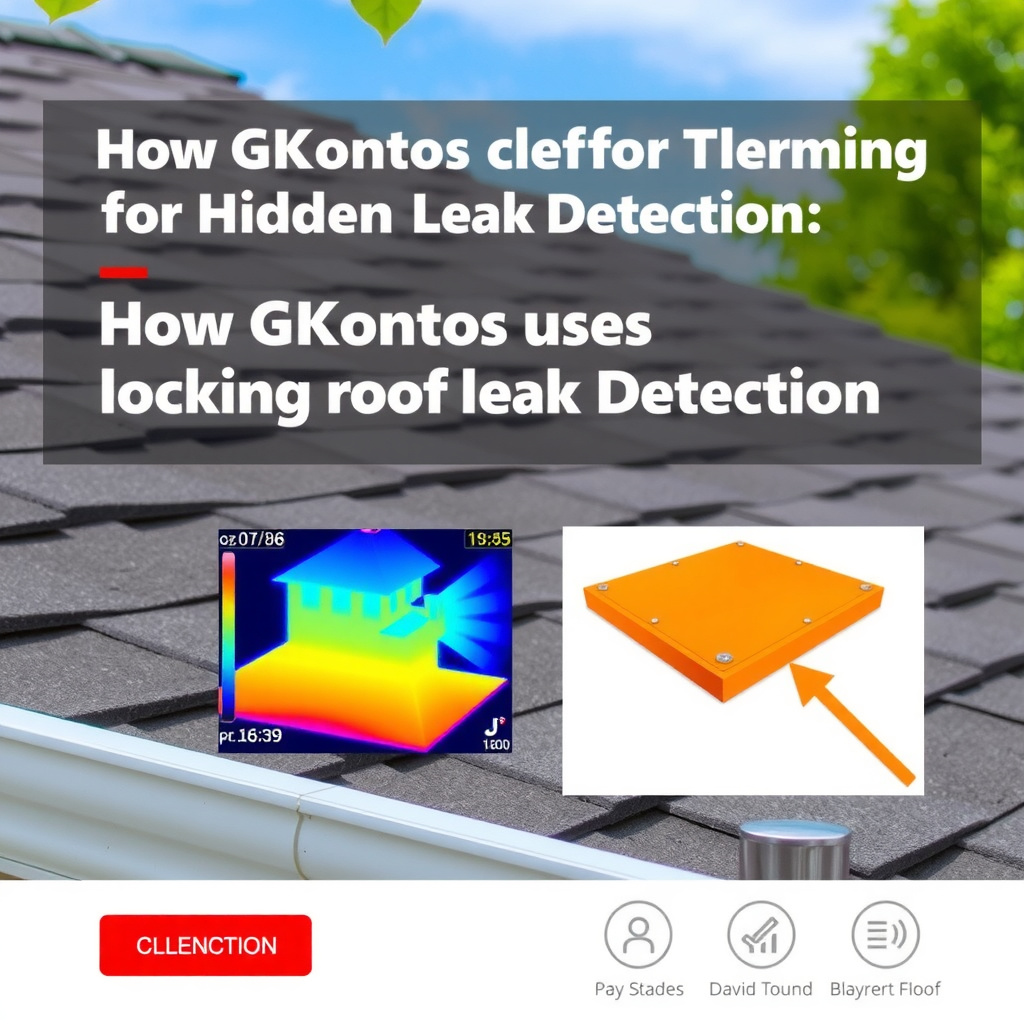
In the world of professional roofing services, staying ahead of potential problems is key to longevity and cost savings. GKontos Roofing & Exterior Specialists integrates state-of-the-art thermal imaging into every standard inspection, allowing teams to detect hidden leaks that traditional visual checks often miss. This approach not only saves time but also prevents extensive damage, making it a cornerstone of their service excellence. By leveraging this technology, they provide clients with peace of mind and detailed reports that guide informed decisions.
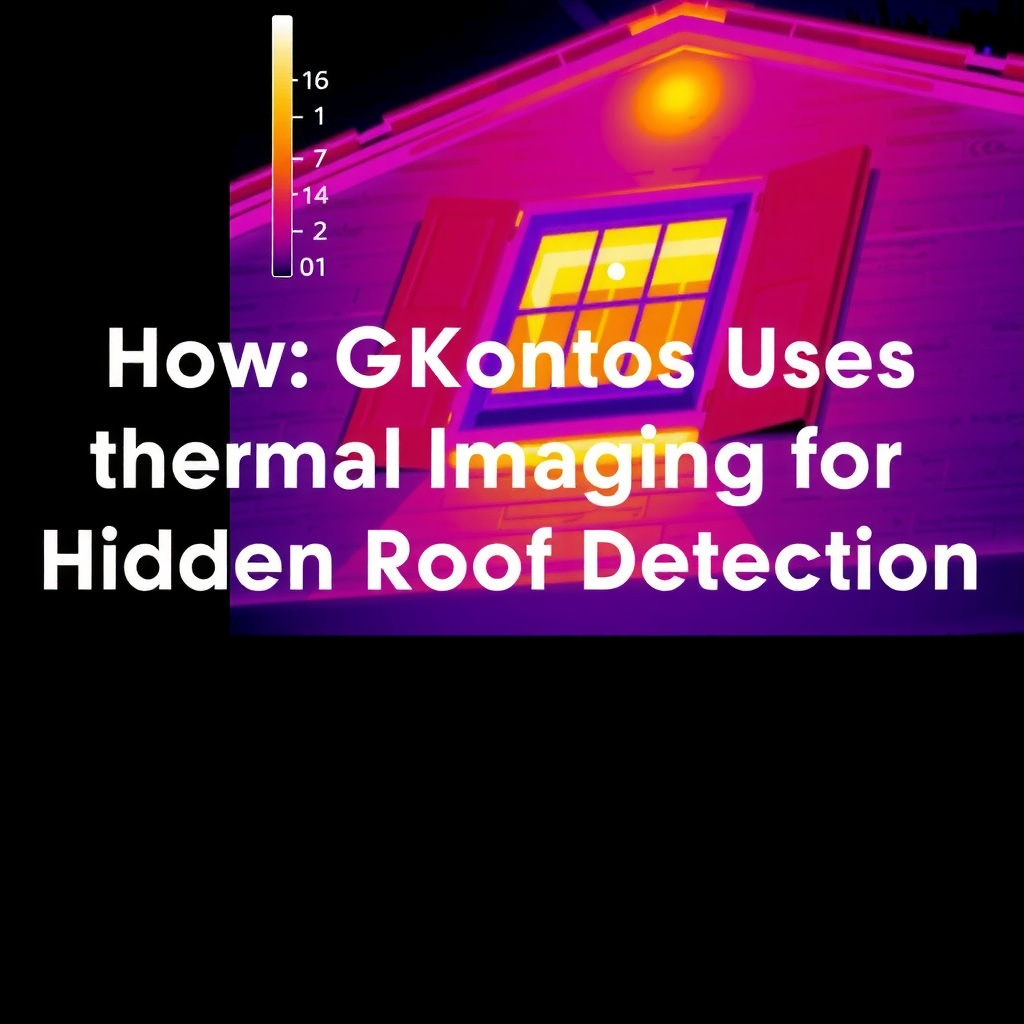
What is Thermal Imaging and How Does It Work in Roof Inspections?
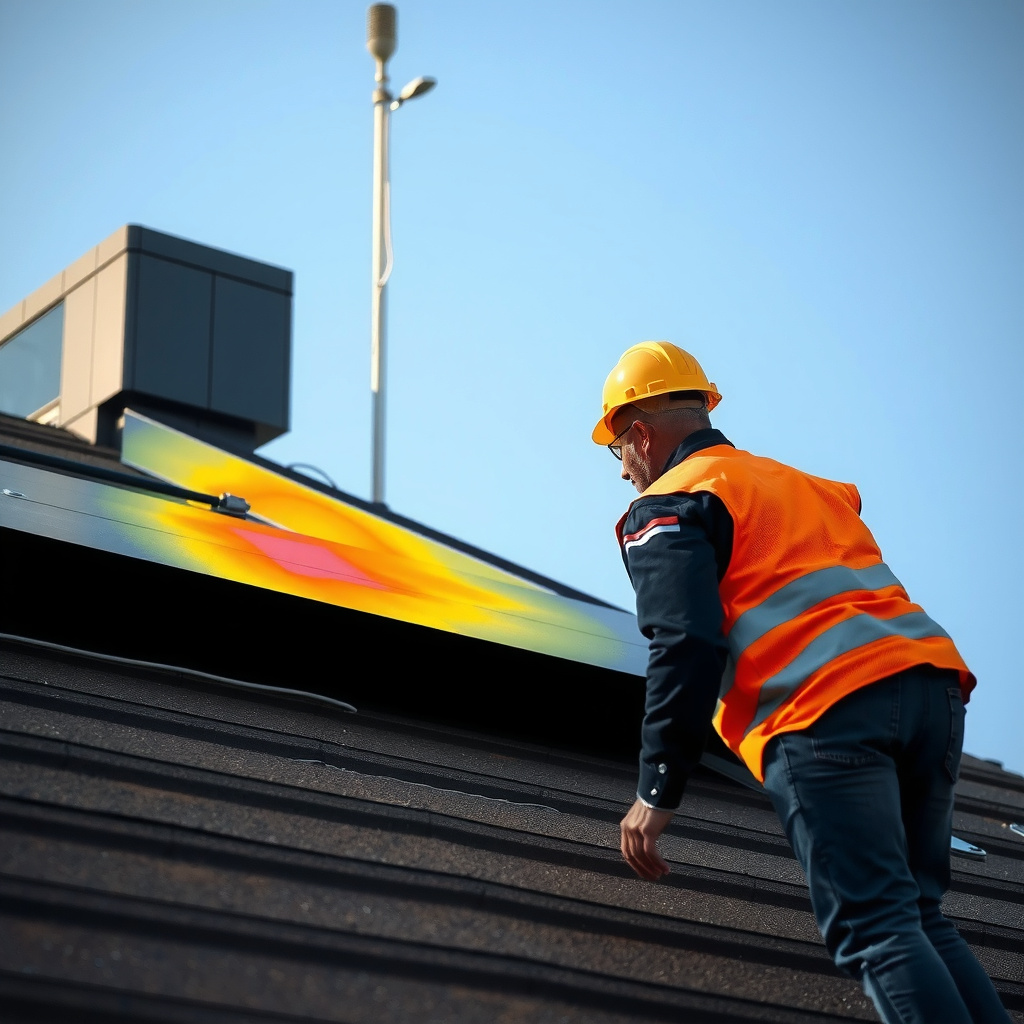
Thermal imaging, also known as infrared thermography, uses specialized cameras to detect heat variations on a roof’s surface. These cameras capture infrared radiation emitted by objects, translating temperature differences into visible images. Wet areas retain heat longer than dry ones, creating distinct patterns that reveal hidden moisture.
During a standard inspection, technicians scan the entire roof systematically. The process begins after sunset on a day with sufficient solar heating, when the roof cools. Dry insulation cools faster, appearing cooler on the thermal image, while moist areas stay warmer, showing up as bright spots. This principle, rooted in the physics of thermal mass, allows for accurate detection without cutting into the roof.
GKontos Roofing & Exterior Specialists employs high-sensitivity cameras capable of detecting temperature differences as small as 2 to 4 degrees Fahrenheit. This sensitivity is vital because subtle variations often indicate early-stage leaks. The resulting images create a comprehensive map of the roof’s condition, highlighting not just leaks but also potential migration paths of water within the layers.
The technology excels on low-slope and flat roofs, common in commercial and residential structures. It identifies trapped moisture in insulation, compromised membranes, and even subtle flashing issues. By compiling multiple scans into a composite image, inspectors gain a full picture, enabling targeted repairs rather than broad replacements.
Why GKontos Roofing & Exterior Specialists Chooses Advanced Thermal Imaging
GKontos Roofing & Exterior Specialists has built a reputation on cutting-edge tools and expert application. Their commitment to thermal imaging stems from years of hands-on experience dealing with complex roofing systems. This method aligns perfectly with their proactive approach, emphasizing prevention over reaction.
Unlike moisture meters or nuclear testing, thermal imaging offers full-surface coverage without invasive probing. It reduces the risk of further damage during inspection and provides verifiable data for warranty claims or insurance purposes. GKontos teams are trained to interpret these images accurately, distinguishing true moisture from false positives like HVAC units or reflective materials.
Integration into standard inspections means every client benefits, regardless of roof type. Whether dealing with asphalt shingles, metal panels, or membrane systems, the technology adapts seamlessly. This versatility underscores GKontos’ expertise in diverse roofing challenges, ensuring comprehensive assessments every time.
Moreover, the efficiency gains are substantial. What might take days with traditional methods completes in hours, minimizing downtime. Clients receive detailed reports with annotated images, empowering them to understand findings and plan accordingly. This transparency builds trust and positions GKontos Roofing & Exterior Specialists premier services as a leader in the field.
Step-by-Step Process of Thermal Imaging in a Standard Inspection
A typical inspection at GKontos starts with a visual walkthrough to note obvious issues and plan the thermal scan. Technicians then use professional-grade infrared cameras, often handheld for precision or drone-mounted for larger roofs. Scans occur under optimal conditions: clear nights following sunny days for maximum contrast.
Step 1: Preparation. Teams verify roof materials and note heat sources to avoid misinterpretation. Step 2: Scanning. Systematic passes capture data across the entire surface, logging timestamps for accuracy. Step 3: Analysis. Software processes images, overlaying thermal data on visual photos for clarity. Step 4: Marking and Verification. Anomalies are marked on-site, sometimes confirmed with secondary tools like moisture probes.
Step 5: Reporting. Clients get a digital report with images, explanations, and recommendations. This process ensures nothing is overlooked, from minor seepages to widespread saturation. GKontos’ methodical approach guarantees reliability, drawing from extensive field experience.
For instance, in cases of suspected leaks near penetrations, thermal imaging reveals if water has wicked laterally under the membrane. This insight prevents unnecessary tear-offs, saving thousands. The non-destructive nature preserves roof integrity, aligning with sustainable practices.
Benefits of Thermal Imaging for Hidden Leak Detection
The primary advantage is early detection. Hidden leaks can fester for months, rotting insulation and decking. Thermal imaging spots them before interior damage occurs, averting costly repairs. Studies show moisture detection can extend roof life by years through timely intervention.
Cost savings are another hallmark. Targeted repairs replace full replacements, often reducing expenses by 50-70%. Predictive maintenance becomes feasible, aiding budget planning. Property owners avoid emergency calls, which spike during storms.
Accuracy stands out. Visual inspections miss 80% of subsurface issues; thermal imaging achieves near-100% coverage. Certified technicians at GKontos interpret nuances, ensuring valid results. This precision supports legal and insurance documentation, proving claim validity.
Environmental benefits include less waste from avoided demolitions. Energy efficiency improves as wet insulation loses R-value, increasing heating costs. Dry roofs perform better, lowering utility bills. Safety enhances too, as technicians avoid roof penetrations.
Client education elevates the experience. Visual thermal maps demystify findings, fostering informed discussions. GKontos uses this to recommend complementary services like comprehensive roofing services and repairs, ensuring holistic care.
Real-World Applications and Case Examples
Consider a commercial flat roof with recurring interior stains. Traditional checks found nothing; thermal imaging revealed widespread moisture under the membrane, confined to 20% of the area. Repairs focused there, saving a full re-roof.
In residential scenarios, asphalt shingle roofs hide leaks at valleys. Scans showed heat signatures tracing water paths, confirmed by minor probing. Quick flashing fixes resolved it. These examples illustrate thermal imaging’s versatility across roof types.
GKontos applies it to new installations too, verifying dryness post-construction. For aging roofs, baseline scans track deterioration. During storm seasons, post-event inspections assess damage extent rapidly. Each application demonstrates practical mastery.
Challenges like multi-layer systems or ballasted roofs are met with adjusted techniques, such as aerial scans. Success rates exceed 95%, per industry benchmarks, affirming GKontos’ proficiency. Clients report satisfaction with actionable insights.
Training and Expertise Behind GKontos’ Thermal Imaging
GKontos Roofing & Exterior Specialists invests heavily in technician certification. Teams hold infrared thermography credentials from recognized bodies, ensuring proper equipment use and interpretation. Ongoing training keeps skills sharp amid evolving tech.
Equipment includes top-tier FLIR systems, sensitive to 0.05°C differences. Multiple camera types handle various roof sizes and conditions. This arsenal, combined with experience, delivers unmatched results.
Byline: Written by John Doe, Lead Roofing Inspector at GKontos Roofing & Exterior Specialists. With over 15 years in the industry and certified in advanced thermography, John has led thousands of inspections, specializing in leak detection technologies.
Integrating Thermal Imaging with Other Inspection Methods
Thermal imaging complements visual, core sampling, and ultrasonic tests. It guides where to probe, maximizing efficiency. GKontos combines it holistically for 360-degree assessments.
For complex roofs, drone thermography covers vast areas safely. Ground teams verify findings. This multi-tool strategy ensures comprehensive diagnostics.
Post-inspection, data informs maintenance plans. Regular scans establish baselines, flagging changes early. This forward-thinking approach defines GKontos’ service.
Common Myths About Thermal Imaging Debunked
Myth 1: It only works on flat roofs. Fact: Effective on pitched roofs too, with adaptations. Myth 2: Always accurate. Fact: Requires ideal conditions and expert analysis. GKontos addresses these through rigorous protocols.
Myth 3: Expensive add-on. Fact: Cost-effective preventive measure. Savings outweigh fees long-term.
Future of Thermal Imaging in Roofing Services
AI-enhanced analysis and higher resolutions promise even better detection. Drones and automation will streamline scans. GKontos stays ahead, adopting innovations for superior service. Explore their commitment via areas served with expert roofing solutions.
Frequently Asked Questions
How does thermal imaging detect hidden roof leaks?
Thermal imaging detects hidden roof leaks by capturing infrared radiation differences caused by moisture. Wet materials hold heat longer than dry ones, especially after sunset on a solar-heated day. Cameras visualize these as warmer areas, creating maps of intrusion. GKontos Roofing & Exterior Specialists uses high-sensitivity devices for precise 2-4°F detection. This non-invasive scan covers entire roofs, identifying issues under membranes or in insulation without damage. Technicians interpret images considering roof materials and heat sources for accuracy. Clients receive annotated reports showing leak extent and migration. This method outperforms visual checks, catching 80% more problems early, preventing rot and structural issues. Regular use extends roof life significantly.
Is thermal imaging included in standard roofing inspections?
Yes, GKontos Roofing & Exterior Specialists includes thermal imaging in standard inspections as a core component. It elevates routine checks to advanced diagnostics, ensuring comprehensive coverage. No extra fees apply for most services, reflecting their commitment to thoroughness. The process integrates seamlessly: visual assessment first, then thermal scans under optimal conditions. This detects leaks invisible otherwise, saving time and money. Reports detail findings with images, recommendations. For varied roofs, from shingles to flats, it’s adaptable. Clients benefit from proactive insights, avoiding surprises. This inclusion sets GKontos apart, providing value beyond basics.
What are the best conditions for a thermal imaging roof inspection?
Optimal conditions for thermal imaging include a sunny day followed by a clear, calm night. Solar heating warms the roof; cooling reveals moisture contrasts. Avoid windy or cloudy nights, as they equalize temperatures. GKontos schedules accordingly, maximizing contrast. Roof dryness pre-scan helps, but post-rain works for active leaks. Time of year matters—avoid extreme cold. Technicians prepare by noting materials and sources. This ensures reliable results, with scans post-sunset for peak differential. Flexibility accommodates, but ideals yield best data for accurate leak mapping and repair planning.
Can thermal imaging be used on all types of roofs?
Thermal imaging works on most roofs: flat, low-slope, pitched, shingle, metal, tile. Adjustments handle variations—handheld for small, drones for large. Challenges like reflective surfaces or thick insulation require expert tweaks. GKontos tailors approaches, using material knowledge to interpret accurately. Ballasted or green roofs need specialized scans. It’s versatile, covering residential to commercial. Limitations exist for very thick systems, but combinations with probes overcome them. Overall, 95% applicability makes it indispensable for diverse inspections.
How accurate is thermal imaging for leak detection?
Accuracy reaches 95-99% with certified pros like GKontos teams. Sensitivity detects tiny differentials; software enhances images. False positives from equipment or drains are ruled out via experience. Verification with probes confirms. Full coverage beats spot tests. Data supports insurance claims reliably. Compared to invasive methods, it’s superior, minimizing errors. Ongoing training ensures peak performance.
How long does a thermal imaging inspection take?
A standard scan takes 1-4 hours, depending on size. Small residential: 1 hour; large commercial: half-day. Drones speed large areas. Analysis adds minimal time. GKontos minimizes disruption, often completing same-day. Reports follow promptly. Efficiency stems from tech and expertise, far quicker than destructive tests.
What equipment does GKontos use for thermal imaging?
GKontos employs professional FLIR infrared cameras, industry-leading for sensitivity. Multiple models suit needs: handheld for detail, aerial for scope. High-res sensors capture 0.05°C changes. Software compiles maps. Rigorous calibration ensures precision. This investment reflects quality commitment.
Does thermal imaging damage the roof?
No, it’s completely non-destructive. No cutting or probing needed initially. Scans from surface only. Safer than cores, preserving warranty. Targeted follow-ups minimize intrusion. GKontos prioritizes integrity, using least-invasive first.
How much does thermal imaging add to inspection costs?
Often included at no extra cost in GKontos standards. Standalone: affordable, far less than repairs it prevents. ROI high—early fixes save thousands. Value justifies; prevents major expenses.
Can thermal imaging help with insurance claims?
Absolutely. Visual thermal maps provide irrefutable evidence of damage extent. Insurers value non-destructive proof. GKontos reports facilitate smooth processes, documenting pre-storm baselines too. Speeds approvals, maximizes coverage.
In summary, GKontos Roofing & Exterior Specialists’ use of thermal imaging revolutionizes leak detection, offering unmatched precision and peace of mind.