
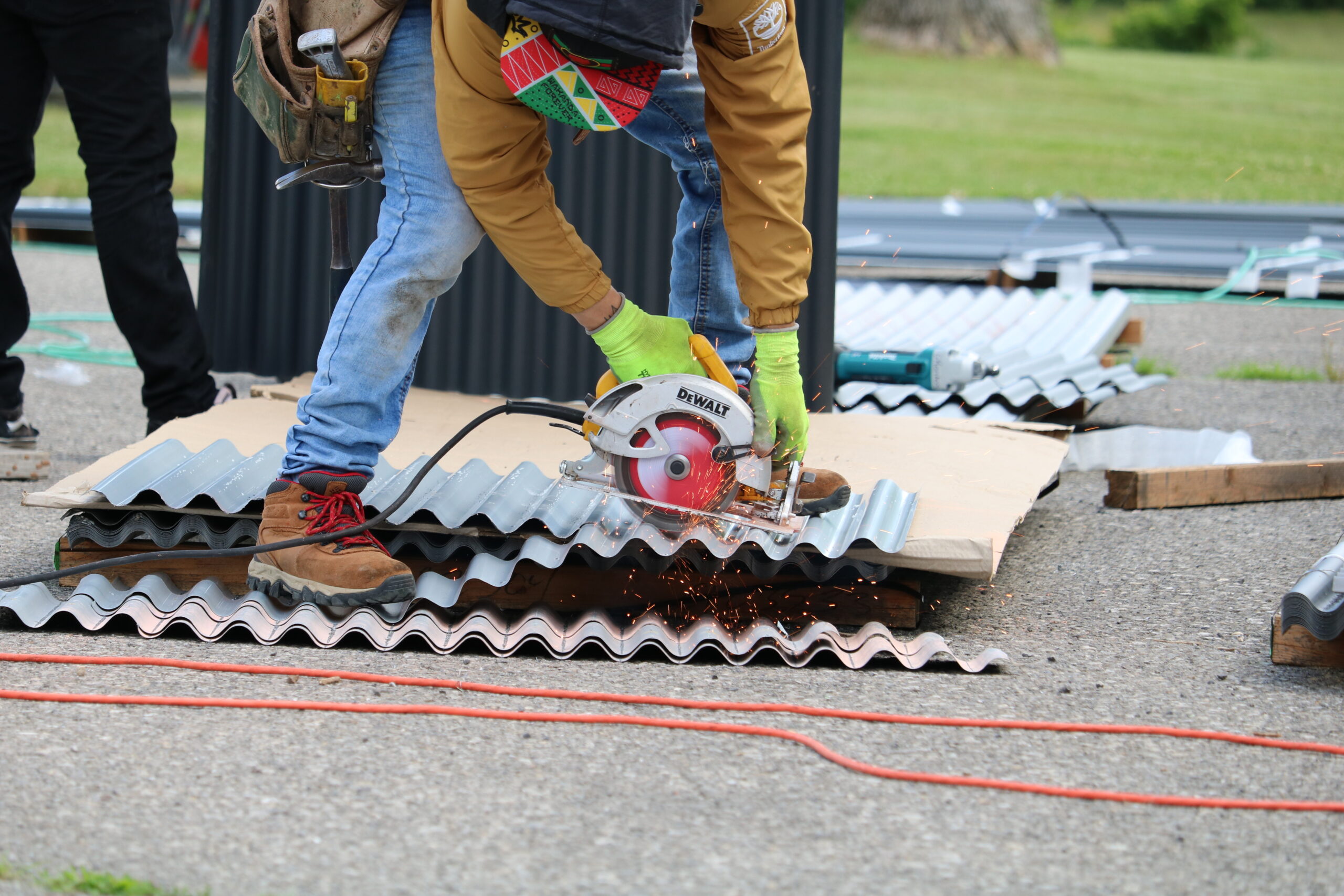
Not all roofing materials handle winter equally. A roof that performs beautifully in mild climates can fail prematurely under repeated freeze-thaw cycles, heavy snow loads, and ice dam conditions. When you’re investing thousands in a new roof, choosing materials engineered for cold weather performance means the difference between a roof that lasts 20 years and one that needs major repairs within a decade.
Why Winter Climate Demands Different Material Choices
Winter creates unique stresses that don’t exist in warmer regions. Materials expand and contract with temperature swings. Snow loads add hundreds of pounds per square foot. Ice dams force water under shingles in ways that never happen during summer rain. Hail bounces off cold, brittle surfaces differently than warm, flexible ones.
Your roof material choice isn’t just about aesthetics or basic weatherproofing—it’s about selecting materials engineered to withstand specific winter conditions year after year. The cheapest option today often becomes the most expensive over time when winter damage accelerates aging and requires premature replacement.
Asphalt Shingles: The Traditional Choice Under Winter Pressure
How They Perform in Cold Weather
Asphalt shingles remain America’s most popular roofing material, covering about 80% of homes. They’re affordable, widely available, and installers understand them thoroughly. However, winter reveals their limitations.
Standard three-tab shingles become brittle below 40°F and can crack under impact or heavy snow loads. The asphalt itself contracts in cold, potentially creating gaps at edges and seams. When ice dams form, water sits on shingle surfaces longer than the material was designed to handle, accelerating granule loss and degradation.
Architectural Shingles Perform Better
Architectural (dimensional) shingles handle winter conditions significantly better than basic three-tab shingles. Their multiple layers provide better thickness, improved impact resistance, and enhanced wind uplift ratings—all critical when winter storms hit. They’re also heavier, which helps them resist wind-driven snow and ice.
Quality architectural shingles rated for cold climates typically last 25-30 years in winter regions versus 15-20 years for basic three-tab shingles. That extended lifespan partially offsets their higher upfront cost.
The Asphalt Shingle Cost Reality
Three-tab shingles: $3.50-$5.50 per square foot installed Architectural shingles: $4.50-$7.00 per square foot installed Premium impact-resistant shingles: $6.00-$9.00 per square foot installed
For a typical 2,000 square foot roof, upgrading from three-tab to architectural shingles costs about $2,000-$3,000 more initially but potentially doubles lifespan in winter climates—making it financially sensible.
Metal Roofing: Purpose-Built for Winter Conditions
Winter Performance Advantages
Metal roofing excels in cold climates for several compelling reasons. Snow and ice slide off metal surfaces before accumulating to dangerous weights. The slick surface prevents ice dam formation because snow sheds before it can melt and refreeze at eaves. Metal doesn’t absorb moisture, eliminating rot concerns entirely.
Temperature fluctuations that stress asphalt shingles barely affect metal. The material remains flexible at temperatures well below zero and doesn’t become brittle. Impact resistance stays consistent year-round—winter hail bounces off metal roofs that would crater asphalt shingles.
Types of Metal Roofing for Cold Climates
Standing seam metal roofs offer the best winter performance. Raised seams shed water and snow exceptionally well, and hidden fasteners eliminate penetration points where ice could exploit weaknesses. Panels run continuously from ridge to eaves without horizontal seams where snow might catch.
Metal shingles and tiles provide the aesthetic many homeowners prefer while maintaining metal’s winter advantages. Though they don’t shed snow quite as effectively as standing seam panels, they still dramatically outperform asphalt in freeze-thaw cycles and impact resistance.
Metal Roofing Investment Analysis
Standing seam metal: $9-$16 per square foot installed Metal shingles/tiles: $7-$12 per square foot installed
Yes, metal costs 2-3 times more than architectural shingles upfront. However, metal roofs last 40-70 years in winter climates with minimal maintenance. They eliminate ice dam problems, reduce heating costs through superior snow shedding and reflectivity, and often qualify for insurance discounts.
For a 2,000 square foot roof, you might pay $18,000-$32,000 for standing seam metal versus $9,000-$14,000 for quality architectural shingles. Over 50 years, the metal roof costs less per year while performing better throughout its life.
Other Materials and Winter Performance
Slate and Concrete Tiles
Natural slate and concrete tiles handle freeze-thaw cycles excellently and last 50-100+ years. However, their extreme weight (900-1,200 pounds per square) requires structural reinforcement most homes lack. In areas with heavy snow loads, adding slate’s weight to potential snow accumulation stresses structures significantly.
Cost ranges from $12-$30 per square foot installed for slate. The material works in winter climates but requires engineering verification that your home can support the combined weight.
Synthetic Composite Shingles
Newer synthetic materials mimic slate or wood shake appearance while offering improved winter performance over asphalt. Quality composites resist impact damage, don’t absorb moisture, and handle temperature swings well. They typically last 30-50 years and cost $8-$14 per square foot installed—a middle ground between architectural shingles and metal.
Wood Shakes and Shingles
Wood roofing performs poorly in winter climates. The material absorbs moisture, suffers mold and rot in freeze-thaw conditions, and requires intensive maintenance. Unless you’re restoring a historic property, avoid wood roofing in areas with significant winter weather.
Key Performance Factors for Winter Climates
Impact Resistance Ratings
Look for Class 4 (highest) impact resistance in winter regions. Hail doesn’t only fall in summer—winter storms bring ice balls that damage roofs. Metal roofing and impact-resistant shingles both achieve Class 4 ratings, while standard shingles typically rate Class 2 or 3.
Many insurance companies offer 20-30% discounts for Class 4 impact-resistant roofs. Over a roof’s lifetime, this savings can offset 50% or more of the upgrade cost.
Wind Uplift Resistance
Winter winds often exceed summer storms in intensity. Ensure your chosen material has adequate wind uplift ratings for your region. Metal roofing and quality architectural shingles both perform well, but installation quality matters as much as material choice. Improperly fastened shingles fail regardless of their rated capabilities.
Thermal Performance and Ice Dam Prevention
Light-colored metal roofing reflects solar radiation even during winter, creating more uniform roof temperatures that reduce ice dam risk. Dark asphalt shingles absorb heat, creating temperature differentials that contribute to ice dam formation.
However, proper attic insulation and ventilation matter far more than roofing material color for ice dam prevention. Don’t choose roofing material hoping it will solve an insulation or ventilation problem.
Snow Shedding Characteristics
Metal’s smooth surface sheds snow naturally, reducing structural load concerns. Textured shingles hold snow longer, which increases weight stress but can actually provide insulation benefits. Consider your roof pitch—steeper roofs shed snow regardless of material, while low-slope roofs benefit more from metal’s shedding properties.
Making the Right Choice for Your Situation
Choose architectural shingles if:
- You need to balance upfront cost with good performance
- Your home’s aesthetic requires traditional shingle appearance
- You plan to stay in your home 15-25 years
- Your budget is $4-$7 per square foot
Choose metal roofing if:
- You’re planning a “forever roof” and want maximum longevity
- Ice dams have been recurring problems
- Your home has roof slopes suitable for snow shedding
- You can invest $9-$16 per square foot for superior long-term value
Avoid or carefully consider:
- Three-tab shingles in winter climates (unless budget absolutely requires it)
- Wood materials in areas with heavy snow and freeze-thaw cycles
- Slate or tile without structural engineering verification
Your Bottom Line Decision Framework
Calculate total cost of ownership, not just installation cost. A $10,000 asphalt roof that lasts 20 years costs $500 annually. A $24,000 metal roof lasting 50 years costs $480 annually—plus you avoid the disruption and cost of a second replacement.
Factor in your home tenure. If you’re selling within 5-10 years, premium materials may not return their full value at resale. If you’re staying 20+ years, invest in materials that will serve you longest.
Consider your specific winter challenges. Homes prone to ice dams benefit dramatically from metal roofing. Properties with moderate winter conditions get excellent value from quality architectural shingles.
Account for maintenance and repairs. Metal roofing requires virtually no maintenance. Asphalt shingles need periodic inspection and repair, particularly after severe winter storms. Include these ongoing costs in your analysis.
Take These Next Steps
Request quotes for both quality architectural shingles and metal roofing. Compare not just installation costs but projected lifespan, warranty coverage, and expected maintenance. Ask contractors specifically about their experience with winter installations and which materials they recommend for your home’s specific conditions.
Your roof choice will affect your home’s performance, maintenance costs, and comfort for decades. In winter climates, choosing materials engineered for snow, ice, and temperature extremes isn’t optional—it’s essential for protecting your investment and avoiding costly premature failure.