
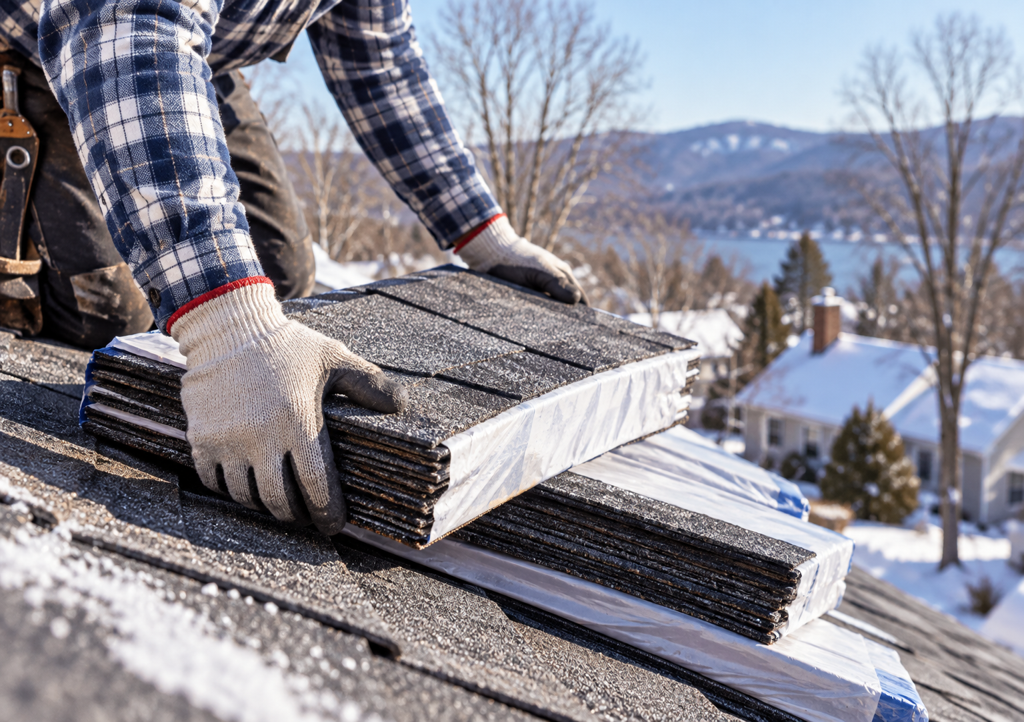
Roofing material prices rose in 2025 and again twice in 2026, and manufacturers frequently adjust pricing at the start of a new year. Homeowners planning a spring 2027 roof, siding, or gutter project can protect their budget by understanding what has already happened, what drives price moves, and how those moves reach a final quote.
What Has Already Happened to Roofing Prices
Major shingle manufacturers announced increases of roughly 6% to 10% in early 2025. April 2026 brought another round of 4% to 8% from GAF, Owens Corning, CertainTeed, and Atlas. A June 1, 2026 round followed, with GAF and Owens Corning announcing 6% to 9% and CertainTeed announcing up to 10%.
No January 2027 residential shingle increase had been confirmed at the time of writing. Distributors publish manufacturer price letters ahead of their effective dates, so an announcement, if one comes, will surface before it takes effect.
Why Roofing Prices Keep Climbing
Asphalt comes from petroleum, so oil markets move shingle costs. Fiberglass mat and adhesives add more inputs, and tariffs on imported chemical components raise manufacturer costs further. Industry shipment data showed first-quarter 2026 volume down close to 10% year over year, yet manufacturers still raised prices, which suggests softer demand has not pulled costs down.
Federal Section 232 tariffs apply a 50% rate to articles made almost entirely of steel or aluminum. That keeps pressure on metal roofing panels, fasteners, and flashing.
Which Exterior Materials Feel Increases Most
- Asphalt shingles: Step increases arrived twice in 2026.
- Metal roofing: Panels, trim, and fasteners carry tariff exposure.
- Gutters and trim: Aluminum products tend to follow metal markets.
- Accessories: Underlayment, vents, and similar items often move with shingle price letters.
How Manufacturer Increases Reach Your Quote
Price letters reach distributors first. In June 2026, the new prices applied to shipments from the effective date regardless of when the order was placed. A contractor who bids in October at current pricing carries the risk that materials cost more by the time they ship, unless the contractor buys early or holds distributor pricing.
That is why many quotes carry a validity window or an escalation clause. Each 5% on a $20,000 project equals $1,000, and the real impact depends on how much of the price is materials.
Step-by-Step: Planning Around a Possible January Increase
- Schedule an inspection this fall to document roof condition and remaining service life.
- Collect written estimates from two or three licensed, insured contractors using identical scope.
- Ask each contractor how long the material price holds and what triggers an adjustment.
- Compare line items for shingle line, underlayment, ice and water shield, flashing, and ventilation.
- Choose an installation window and sign before the quote expires.
Red Flags in Pricing Conversations
- Pressure to sign the same day because “prices go up tomorrow,” with no distributor letter to show.
- An escalation clause with no cap and no documentation requirement.
- Estimates listing “roofing materials” with no brand, product line, or color.
- A contractor who declines to say how long the quoted price remains valid.
When to Call a Roofing Contractor
Curling or cracked shingles, granules collecting in gutters, ceiling stains, daylight visible in the attic, or a roof near the end of its manufacturer’s rated life all warrant a professional inspection now. Waiting on a damaged roof adds interior repair costs on top of any material increase.
Bottom Line
Nobody can promise what January brings. Roofing prices have gone through at least three increase rounds across 2025 and 2026, and no reversal has appeared. A simple decision framework applies:
- Roof showing damage or within a few years of replacement: Get written quotes now and sign with a stated price-validity date.
- Roof in good condition: Schedule an inspection and revisit pricing in spring.
Next Steps
Request a roof inspection and written estimate from GKontos Roofing & Exterior Specialists, serving Poughkeepsie and the greater Hudson Valley. Ask how long the quoted material price holds.