
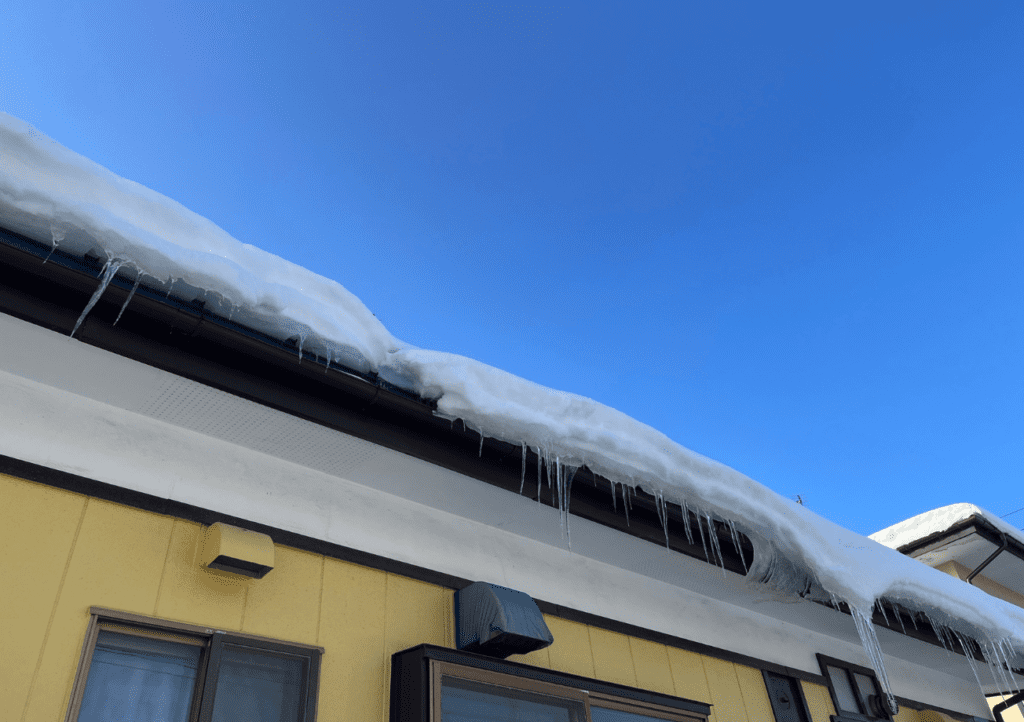
That picturesque blanket of snow covering your roof isn’t just a winter scene. It’s weight, and potentially a lot of it. Most homeowners never consider how much stress accumulated snow places on their roof structure until warning signs appear inside their home. Understanding snow load helps you recognize when your roof needs attention before minor strain becomes a structural emergency.
How Excess Snow Weight Stresses Roof Structure
Your roof was engineered to handle a specific amount of weight, known as its load capacity. This includes the permanent weight of roofing materials, sheathing, and framing, plus temporary loads from snow, ice, and maintenance personnel. When snow accumulation exceeds design limits, the excess weight transfers through shingles and sheathing into rafters, trusses, and load-bearing walls.
Under normal conditions, this structural system distributes weight evenly. But as snow piles higher or becomes saturated with moisture, the forces acting on individual components intensify. Rafters begin to flex. Connections at ridge boards and wall plates strain against their fasteners. The cumulative effect can progress from invisible stress to visible deformation surprisingly quickly during a heavy winter.
The danger increases when snow distribution is uneven. Drifts accumulate against dormers, in valleys, and at roof level changes. These concentrated loads create stress points that exceed what surrounding areas experience, potentially overloading specific structural members while the rest of the roof appears fine.
Understanding Snow Load: Not All Snow Weighs the Same
Snow weight varies dramatically based on moisture content. Fresh, fluffy powder weighs roughly three to five pounds per cubic foot. The same depth of wet, packed snow can weigh fifteen to twenty pounds per cubic foot. Ice reaches approximately fifty-seven pounds per cubic foot, making even a thin ice layer equivalent to a foot or more of fresh snow.
Most residential roofs are designed to support around twenty pounds per square foot before experiencing structural stress. To put that in practical terms, your roof can typically handle about four feet of light, fluffy snow, but only about two feet of heavy, wet snow. When old packed snow sits beneath new accumulation, the combined weight adds up faster than the visible depth suggests.
Rain falling on existing snow creates one of the most dangerous scenarios. Snow acts like a sponge, absorbing water and dramatically increasing its weight in hours. A roof that handled yesterday’s snowfall comfortably can become dangerously overloaded after a single rain event.
Warning Signs of Structural Strain Inside the Home
Your roof communicates stress through symptoms you can observe from inside your home. Learning to recognize these warning signs gives you time to act before structural failure occurs.
Ceiling and wall cracks often appear first. New cracks forming near the junction where walls meet ceilings indicate the structure is flexing under load. Diagonal cracks in drywall or plaster suggest uneven weight distribution is warping the building frame. These fractures may start small but can expand rapidly as stress continues.
Doors and windows that suddenly stick or refuse to close properly signal that your home’s frame is shifting. When roof trusses flex under excessive weight, they apply uneven pressure to wall framing, throwing door and window openings out of square. If jamming begins shortly after heavy snowfall, the connection is likely not coincidental.
Sounds from your attic deserve attention. Creaking, popping, or groaning noises indicate structural members are straining against their limits. A sharp pop often means a fastener has shifted or failed. Deep groaning from beams suggests they’re approaching their load capacity.
Visible sagging in ceiling surfaces or rooflines represents the most urgent warning. Any deflection you can see means the structure has already moved beyond its designed tolerance. Sagging that appears suddenly or worsens noticeably after snowfall requires immediate professional evaluation.
Why Older Roofs Are More Vulnerable During Severe Winters
Homes built decades ago may not meet current snow load standards. Building and installation codes have evolved as engineers better understand structural requirements for different climate zones. A roof designed to standards from the 1960s or 1970s may have less margin for extreme snow events than modern construction provides.
Age also weakens structural capacity over time. Wood rafters and trusses lose strength as they endure repeated loading cycles, moisture exposure, and natural aging. Connections loosen as fasteners work against wood fibers through seasonal expansion and contraction. A roof that safely handled heavy snow twenty years ago may no longer have the same capacity.
Previous water damage compounds vulnerability. Rafters or sheathing that experienced rot, even if subsequently dried, never fully recover their original strength. Homes with histories of ice dam leaks, roof leaks, or attic moisture problems carry hidden weaknesses that reduce load tolerance.
Modifications add risk as well. Roofs retrofitted with additional insulation may no longer allow heat escape that previously helped melt snow. Solar panels, HVAC equipment, or satellite dishes add permanent weight, reducing the margin available for snow load. Each addition chips away at your roof’s reserve capacity.
Red Flags That Demand Immediate Action
Certain conditions require urgent response. Evacuate the building and contact professionals if you observe severe sagging visible from inside or outside the home, cracking sounds that are loud, frequent, or intensifying, water suddenly appearing at ceiling fixtures or light openings, doors that will no longer latch or have popped open on their own, or cracks rapidly spreading across ceiling or wall surfaces.
During extended snowfall or after rain-on-snow events, monitor conditions closely even without obvious symptoms. The transition from stable to critical can happen within hours when conditions combine unfavorably.
The Bottom Line: Assessing Your Roof’s Risk
Your roof’s vulnerability to snow load depends on several factors working together. Construction era and original design standards establish baseline capacity. Current structural condition, including any water damage history, determines how much of that capacity remains. Roof geometry affects where snow accumulates and concentrates. Added equipment and modifications reduce available load margin.
Homes in the Hudson Valley face real snow load risk. Our winters deliver both heavy wet storms and extended cold periods that allow accumulation to build. Roofs that performed adequately during mild winters may face genuine stress when severe seasons return.
The cost of proactive assessment is minimal compared to emergency structural repairs. Understanding your specific roof’s capacity before winter arrives lets you make informed decisions about when snow removal becomes necessary.
Your Next Steps
Before winter intensifies, have your roof and attic structure inspected by a qualified professional who can evaluate current condition and identify any existing weaknesses. Ask specifically about your roof’s estimated load capacity and what snow depths should trigger concern.
During heavy snow seasons, monitor accumulation and watch for interior warning signs. Know the contact information for professional snow removal services before you need them. Attempting roof snow removal yourself creates serious safety risks and can damage roofing materials.
If you observe any warning signs of structural strain, do not wait to see if conditions improve. The progression from visible symptoms to failure can be rapid. Evacuate if necessary and seek professional evaluation immediately.