
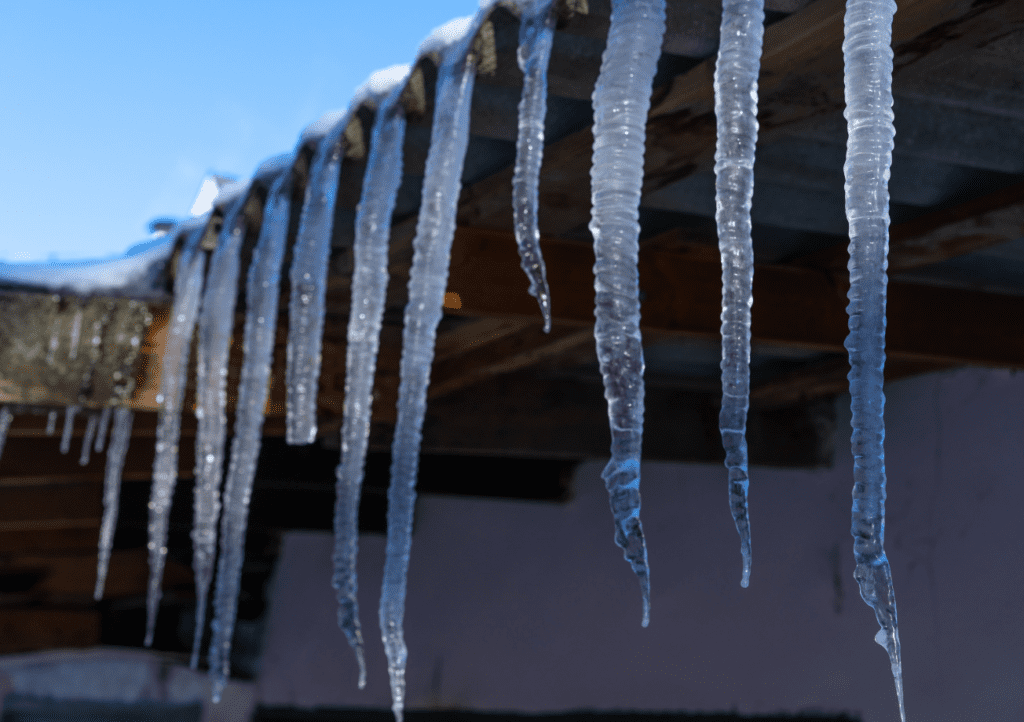
When ice dam damage appears, most homeowners assume their insurance will cover it. Winter storms are acts of God, after all. But claim denials arrive more often than approvals, leaving homeowners confused and frustrated.
The difference between a paid claim and a denial often comes down to documentation and how the damage gets classified. This is where working with a roofing contractor before and after damage occurs can transform your claim outcome.
Why “Act of God” Doesn’t Guarantee Coverage
Insurance policies cover sudden, accidental damage from weather events outside human control. Winter storms qualify. But ice dam claims get treated differently than wind or hail damage because of how insurers classify the resulting water intrusion.
Adjusters distinguish between sudden damage and gradual damage. Wind tearing off shingles is clearly sudden. Ice dam water intrusion is murkier—ice forms over days, and water may seep slowly beneath shingles. Insurers can reclassify this as gradual damage, which most policies exclude.
The second problem: maintenance exclusions. Ice dams form when attic heat melts roof snow from below. Insurers argue that proper insulation and ventilation would have prevented formation, making the damage a maintenance failure rather than storm damage.
Understanding these classification games explains why professional documentation matters so much.
The Neglect vs. Storm Damage Question
Every ice dam claim triggers the same investigation: Did this result from a storm event, or from the homeowner’s failure to maintain the property?
Adjusters look for evidence supporting the maintenance argument. Inadequate attic insulation, blocked soffit vents, and poor ventilation all suggest conditions the homeowner should have addressed. Even if a genuine winter storm caused the ice dam, these findings can shift blame to the homeowner and justify denial.
This is where a roofing contractor becomes invaluable. A professional inspection can document that your roof and attic systems meet reasonable standards—or identify specific storm damage that caused the failure rather than pre-existing deficiencies.
A contractor who examines damage immediately after discovery can distinguish between storm impact and long-term wear. That professional assessment carries weight that homeowner observations alone cannot match.
How Your Roofer Strengthens Your Claim
Roofing contractors see ice dam damage regularly and understand what adjusters look for. Their involvement at key moments directly supports claim approval.
Immediate damage assessment. When you discover water intrusion, a contractor can inspect the same day and document conditions before anything changes. They identify the specific failure points—lifted shingles, compromised flashing, ice-damaged materials—and connect them to the storm event rather than gradual deterioration.
Professional photography and reports. Contractors document damage systematically: exterior conditions, interior water intrusion paths, attic conditions, and ice dam location. Written reports describing storm-consistent damage patterns provide evidence adjusters must address.
Distinguishing storm damage from wear. Experienced roofers recognize the difference between shingles damaged by ice expansion versus shingles failing from age. They can identify flashing failures caused by ice pressure versus flashing that was already compromised. This distinction directly counters maintenance-based denials.
Repair estimates tied to storm damage. Contractors provide itemized estimates specifying which repairs address storm damage versus pre-existing conditions. This clarity helps adjusters approve covered portions even when some conditions fall outside coverage.
Before Damage Occurs: Building Your Foundation
The strongest claims start before any damage happens. A professional roof inspection in fall creates documentation proving your property was properly maintained entering winter.
Ask your contractor to photograph attic insulation depth, ventilation components, and overall roof condition. Request a written assessment confirming systems meet reasonable standards. This baseline evidence directly refutes future maintenance-based denials.
If your contractor identifies deficiencies, addressing them before winter eliminates the argument insurers use most frequently. Upgrading insulation or improving ventilation costs less than fighting a denied claim—and prevents damage in the first place.
Keep inspection reports, repair receipts, and dated photographs in an accessible file. When adjusters investigate future claims, you can demonstrate consistent property care.
When Ice Dam Damage Qualifies for Coverage
Policies typically cover sudden water damage to interior surfaces when tied to a specific weather event. If a documented winter storm preceded your ice dam formation, and water intrusion occurred rapidly once the dam caused backup, that sequence supports coverage.
Your contractor’s timeline documentation matters here. A report establishing that damage appeared immediately following a specific storm—not gradually over the winter—supports the sudden damage classification that triggers coverage.
Roof damage from ice weight may also qualify separately from water intrusion claims. Structural damage, torn shingles, and crushed gutters from ice accumulation fall under different coverage provisions than water damage.
Professional assessment identifying multiple damage categories ensures you claim everything your policy covers rather than limiting your request to obvious interior stains.
If Your Claim Gets Denied
Denials are not final. Your contractor’s documentation becomes critical evidence for appeals.
Request the denial reason in writing. If insurers cite maintenance issues, your contractor can provide professional opinion countering their assessment. If they claim gradual damage, your contractor’s timeline documentation establishes sudden onset.
Contractors can also meet with adjusters during reinspection, pointing out storm-consistent damage patterns the original investigation missed. Professional-to-professional conversations often shift claim outcomes when homeowner appeals alone fail.
For disputed claims, some contractors provide formal reports suitable for appeal submissions or insurance commissioner complaints. Their professional credentials add credibility that homeowner statements lack.
The Bottom Line
Insurance companies don’t volunteer that proper documentation transforms ice dam claims from likely denials into approved coverage. They benefit when homeowners file incomplete claims or accept denials without appeal.
Your roofing contractor serves as both damage expert and claim ally. Their professional assessment counters maintenance arguments, establishes storm-related causation, and provides the documentation that adjusters require for approval.
Your Next Steps
Schedule a fall roof inspection to establish your maintenance record before winter arrives.
When damage occurs, contact your contractor immediately—before filing your claim. Their same-day assessment documents conditions while evidence remains fresh.
Request written reports connecting observed damage to storm events rather than gradual deterioration.
If you’ve already received a denial, ask your contractor to review the damage and provide professional documentation supporting your appeal.